A Star is a type of large celestial body which emits significant heat and light energy that are produced in its core through nuclear fusion. Stars come in a number of colors, largely related to their size and age, which reflect the amount of energy they produce. Many of the stars through the multiverse have a planetary system, with many of these systems supporting some form of life.
Many stars with planets in their orbit are referred to as Suns by English-speaking humans, in reference to the star of their home planet Earth, which they refer to as the "Sun", though its official name is "Sol".
Known stars
- Yellow stars: Yellow main sequence stars are stars that emit enough solar radiation to gift Kryptonians and Daxamites with incredible powers while on a planet orbiting one.
- Sun (Earth-1): The Sun, sometimes known as Sol, is a 4.5 billion-year-old yellow star, around which the Solar System formed. Besides five other planets[1][2] and an asteroid belt,[3] Earth (also orbited by its Moon)[4][5] was the only known inhabited planet in orbit of the sun of the universe of Earth-1.[6]
- Sun (Earth-2): The Sun, sometimes known as Sol, was a 4.5 billion-year-old yellow star, around which the Solar System formed. Besides its neighbouring planet Mars,[7] Earth was the only known inhabited planet in orbit of the sun of the universe of Earth-2.[8]
- Sun (Earth-18): The Sun, sometimes known as Sol, is a 4.5 billion-year-old yellow star, around which the Solar System formed. Besides six other planets and an asteroid belt, Earth was the only known inhabited planet in orbit of the sun of the universe of Earth-18.[9]
- Sun (Earth-TUD5): The Sun, sometimes known as Sol, is a 4.5 billion-year-old yellow star, around which the Solar System formed. Besides eight other planets and at least one dwarf planet Pluto,[10] Earth was the only known inhabited planet in orbit of the sun of the universe of Earth-TUD5.[11]
- Sun (Earth-203): The Sun, sometimes known as Sol, is a 4.5 billion-year-old yellow star, around which the Solar System formed. Earth (also orbited by its Moon) was the only known inhabited planet in orbit of the sun of the universe of Earth-203.[12]
- Sun (Obsidian Platinum): The Sun, sometimes known as Sol, is a 4.5 billion-year-old yellow star, around which the Solar System formed. Earth was the only known inhabited planet in orbit of the sun of the virtual universe of Obsidian Platinum.[13]
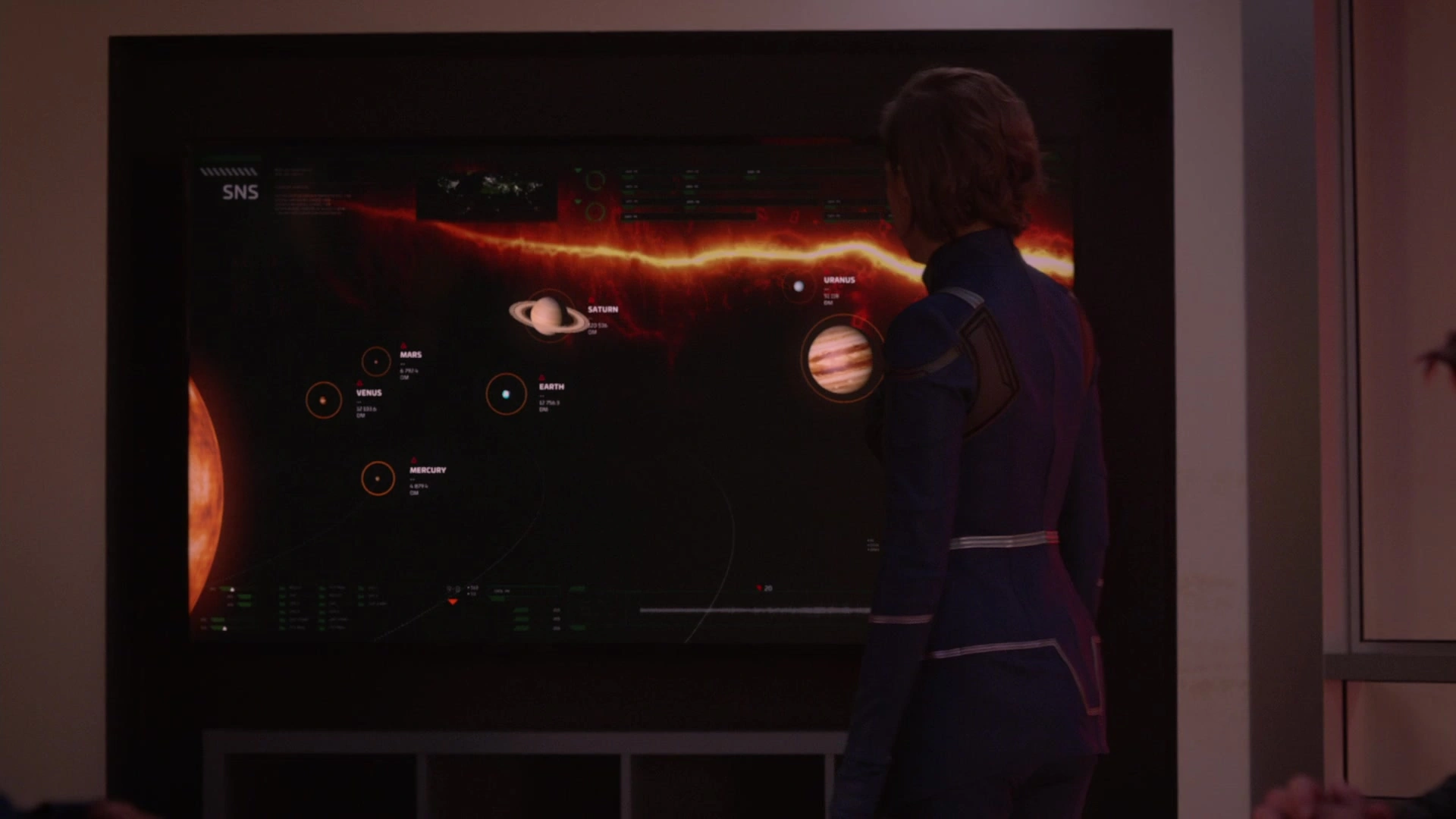

- Sun (Earth-38): The Sun, sometimes known as Sol, was a 4.5 billion-year-old yellow star, around which the Solar System formed. The Sun was known to have a planetary system of at least seven, known as the Solar System, with a number of these planets themselves being orbited by moons. Three of these planets, Earth, Mars, and Saturn, were known to have been inhabited, as was one of Saturn's moons, Titan. Despite hostilities originating from Earth, such as turning the star red, Earth was a common stopping point for alien visitors and refugees due to its environment being hospitable for the exceeding majority of alien species. Kryptonians and Daxamites in particular viewed Earth as somewhat of a paradise, due to its yellow sun providing them with incredible powers, and the planets environment being considerably less harsh than those of the former Rao system; including Krypton, Daxam and Jarhanpur. The other Solar System planets include Mercury, Venus, Jupiter, Uranus and Neptune.[14]
- Sun (Earth-X): The Sun is a 4.5 billion-year-old yellow star, around which the Solar System formed. Besides 18 other planet Earths,[15] Earth (Earth-X) was the only known inhabited planet in orbit of the sun of the universe of Earth-X.[16]
- Sun (Earth-Prime): The Sun is a 4.5 billion-year-old yellow star in the Milky Way galaxy, around which the Solar System formed. The Sun is known to have a planetary system of at least eight planets, as well as at least one dwarf planet, Pluto, and an an asteroid belt between Mars and Jupiter.[17] In reference to its orbit around the Sun, this planetary system is known as the Solar System, and many of the planets of the Solar System are known to themselves be orbited by moons. Two planets of the Solar System, Earth and Mars, are known to be inhabited, as is Titan, a moon of Saturn. Much like the Earth that orbited the Sun of Earth-38, -TUD22, or -TUD25, the Earth orbiting this Sun is a common stopping point for alien visitors and refugees due to its broadly hospitable environment. In particular, Kryptonians regard the planet as a paradise compared to Krypton, with the environment being considerably less harsh than Krypton's, and the planet's yellow sun providing them with incredible superpowers.
- Sun (Earth-TUD25): Like on Earth-38, Prime or TUD22, the Sun is a 4.5 billion year old star in the Milky Way galaxy, around which the Solar System formed. It is orbited by at least two planets, Earth (also orbited by its Moon) and Saturn, as well as four others (possibly two pairs of two) near an asteroid belt.[18] However, Earth was the only known inhabited planet in orbit around the sun of the universe of Earth-TUD25. In particular, Kryptonians regard the planet as a paradise compared to Krypton, with the environment being considerably less harsh than Krypton's, and the planets yellow sun providing them with incredible superpowers.
- Sun (Earth-TUD22): Like on Earth-38, Prime or TUD25, The Sun is a 4.5 billion year old star in the Milky Way galaxy, around which the Solar System formed. It is orbited by four known terrestrial planets; including Mercury, Venus, Earth, and Mars.[19] However, Earth was the only known inhabited planet in orbit around the sun of the universe of Earth-TUD22.[20] In particular, Kryptonians regard the planet as a paradise compared to Krypton, with the environment being considerably less harsh than Krypton's, and the planets yellow sun providing them with incredible superpowers.
.png)
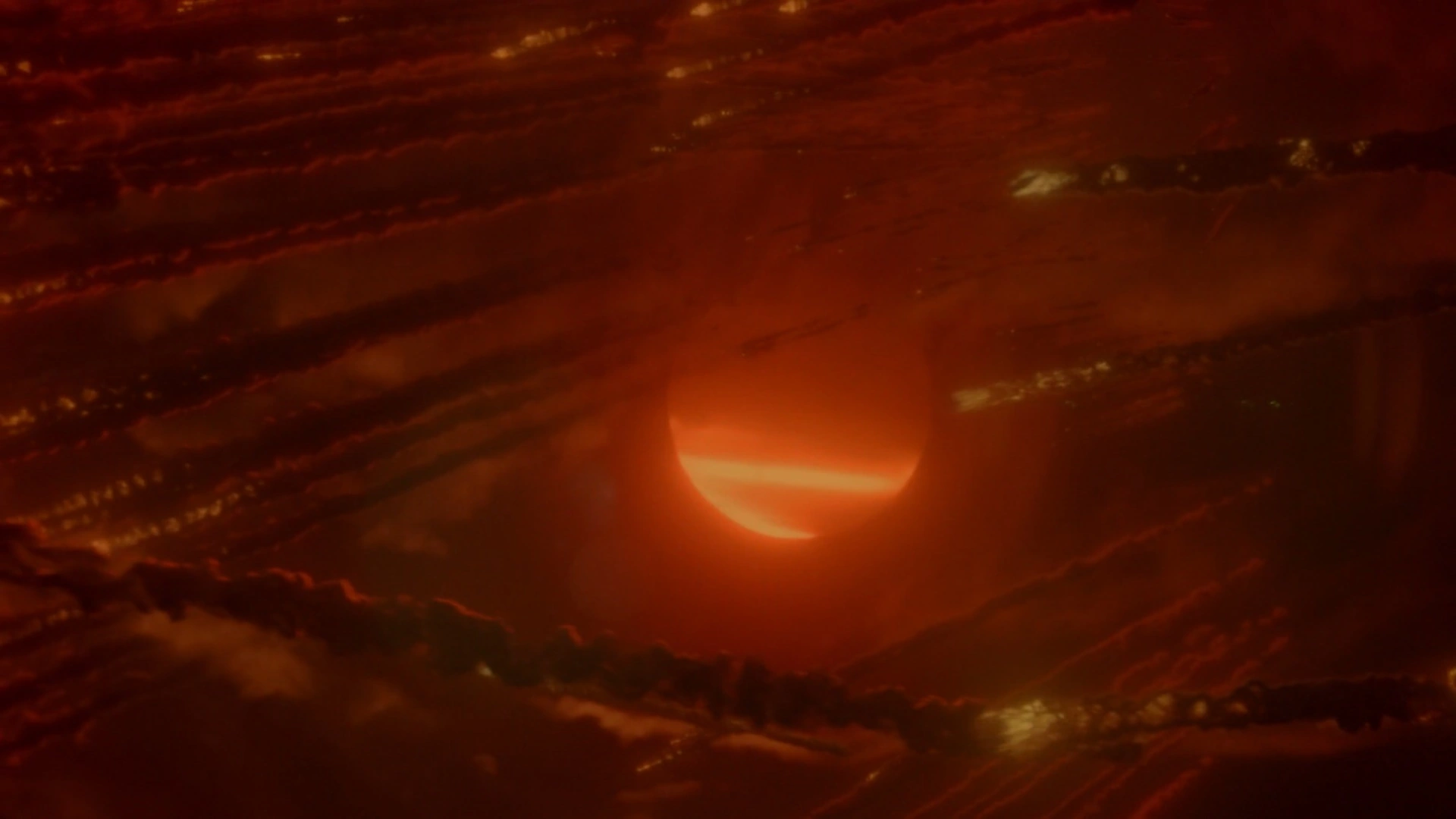
Rao, a red star.
- Red stars: Red stars are stars that are considerably cooler than yellow stars. They are also notable for emitting much less solar radiation than yellow stars. As such, these stars do not provide Kryptonians or Daxamites with the energy needed for their powers.[21]
- Rao: Rao was a cool, 13 billion-year-old dwarf star, around which a planetary system of at least three formed. This system originally comprised Krypton, Daxam, and Jarhanpur, with all three planets having been inhabited, though eventually all three planets became uninhabitable as a result of the destruction of their respective societies; or in the case of Krypton (and also Jarhanpur millions of years ago; then later Daxam after meteor impacts), the destruction of the entire planet. The star itself still exists but is near the end of its life and will soon be destroyed. Up until its self-destruction, Rao was orbited by a deserted Jarhanpur and a ravaged Daxam, turned into a wasteland following Krypton's destruction.[22]


Arcturus is a red star.
.png)
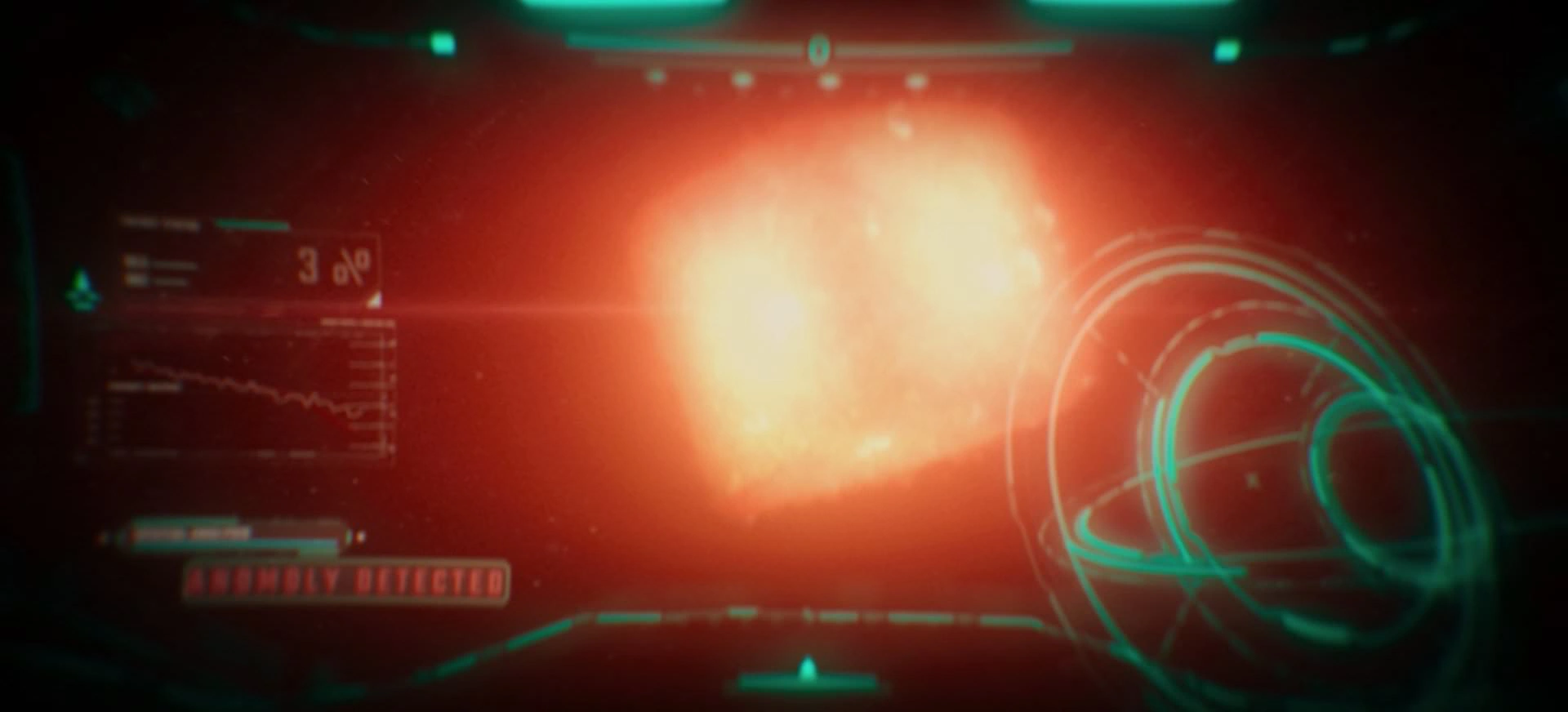
Sol (Inverse World) is a red star.
- Sun (Inverse World): Sol of the Inverse World is also orbited by Earth (also orbited by its Moon),[24] but being the inverse of Earth-TUD25's Sol system, it is cubic and red.[25] It gives its own Kryptonians certain powers, but the process works slightly differently to other universes' red suns.[26]
- Blue stars: Blue stars are large, hot stars emitting stronger energy than red and yellow suns. Despite this, Kryptonians and Daxamites do not gain powers from the radiation of blue stars, as the extreme amount of energy is too much for them to absorb, effectively overwhelming their system and leaving them as if they were under a red star. For unknown reasons, the radiation emitted by blue stars is deadly to any organism carrying a Y-chromosome, and so it is likely that no species with such chromosomal distinction would exist in a system orbiting a blue star. While most known species are known to have more than one sex, it is quite possible that most utilize an alternate form of genetic differentiation, as is the case with a number of terrestrial animals.
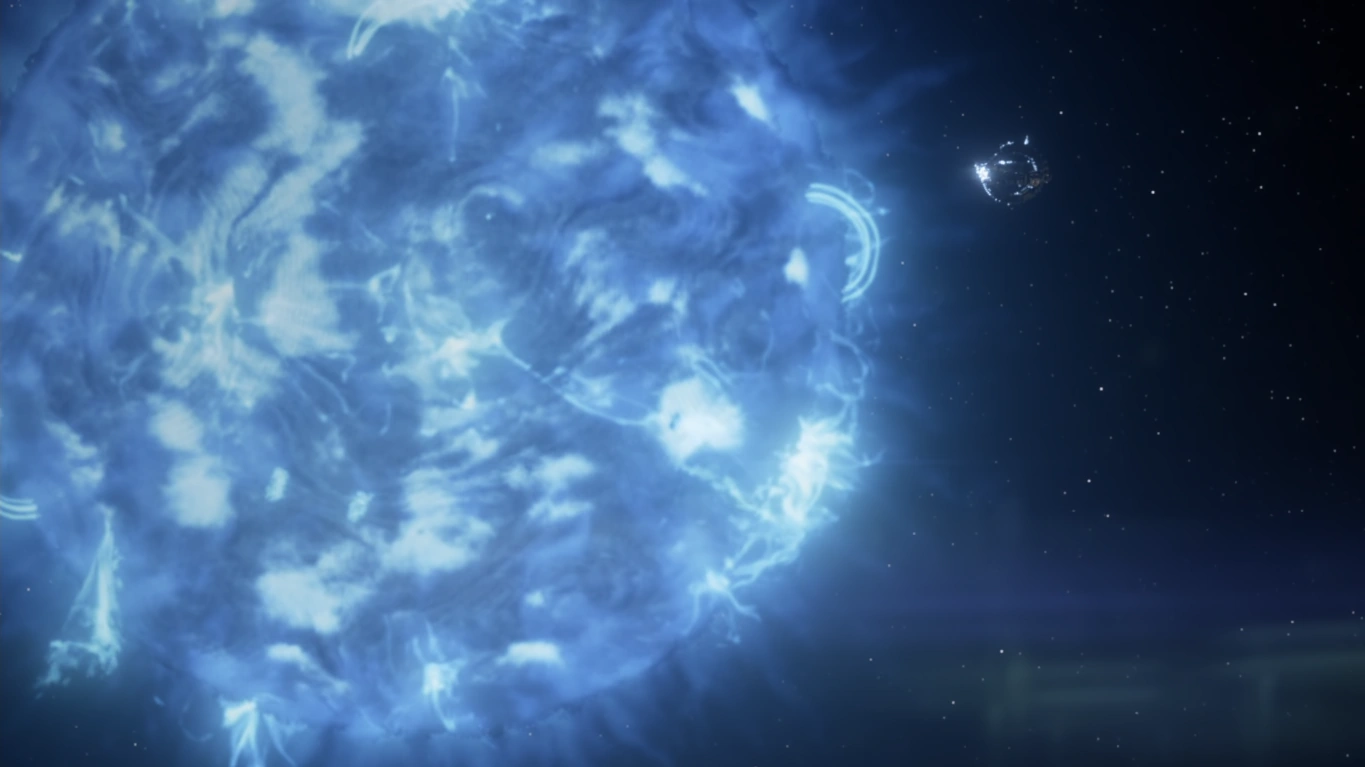

AZ336XB12; a blue star.
Appearances
Being Earth's Sun, Sol has had numerous cameo appearances throughout most, if not all of the Arrowverse shows. However, it was highlighted in several episodes:
DC's Legends of Tomorrow
Season 1
Season 6
Season 7
- "wvrdr_error_100 not found" (memory)
Supergirl
Season 1Season 2Season 3Season 5
Season 6 |
Superman & Lois
Season 1
Season 2
- "Anti-Hero"
- "Into Oblivion" (flashbacks)
- "Bizarros in a Bizarro World"
- "Worlds War Bizarre"
- "Waiting for Superman"
Season 4
Behind the scenes
- In the DC comics, Kryptonians get their powers from the energy of both yellow and blue suns. The Kryptonians' cousin species, the Daxamites, get their powers from the energy of both yellow and blue suns, but likewise lose their power under a red sun. Kryptonians and Daxamites' powers are far more potent when they are exposed to the solar energy of a blue sun, the former gaining new powers as a consequence.
- While the Sun is often regarded as being a small yellow star, in actuality it is among the largest stars in its astronomical neighborhood, and is considerably more white than it is yellow.
- As a result of the second point, the depictions of the sun when observed from space are quite inaccurate, and presents considerably closer to how it would appear when seen in UV light.
References
- ↑ "The Runaway Dinosaur"
- ↑ "The Last Temptation of Barry Allen, Pt. 1"
- ↑ "Aruba-Con"
- ↑ "Moonshot"
- ↑ "Rage of Caliban"
- ↑ "Legendary"
- ↑ "Potential Energy"
- ↑ "Gorilla Warfare"
- ↑ "Crisis on Infinite Earths: Part Two"
- ↑ "The Resurrection and the Light: The Book of Pain"
- ↑ "The Book of Occupation: Chapter Four"
- ↑ "Sins of the Mother"
- ↑ "Immortal Kombat"
- ↑ "Crisis on Infinite Earths: Part One"
- ↑ "Episode Four"
- ↑ "Episode Six"
- ↑ "The Final Frame"
- ↑ "The Anniversary"
- ↑ "Into Oblivion"
- ↑ "Through the Valley of Death"
- ↑ "Supergirl Lives"
- ↑ "Welcome to Earth"
- ↑ "Supergirl Lives"
- ↑ "Bizarros in a Bizarro World"
- ↑ "Waiting for Superman"
- ↑ "Worlds War Bizarre"
- ↑ "Fort Rozz"